Belgian Malinois Soldier SVG Review
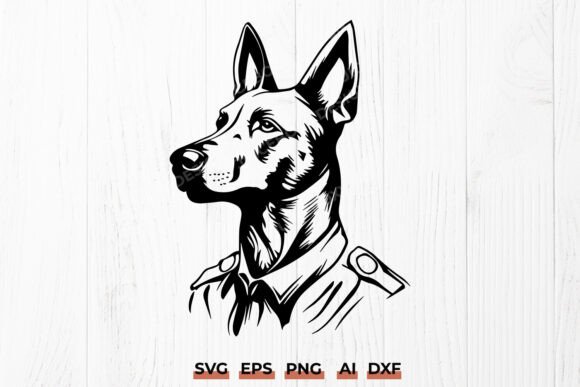
When I first opened the Belgian Malinois Soldier Military SVG, I was immediately struck by the design’s confident, no-nonsense attitude. The K9 stands proud in a crisp military uniform—ears alert, chest forward, gaze steady. It’s not a cutesy pet portrait; it’s a tribute to working dogs and the people who serve alongside them. As someone who tests embroidery files for real shop use, I look for designs that hold their shape after stitching, read clearly on fabric, and earn a reaction from customers. This one delivers on all three fronts.
The visual personality here is direct and emotional. It says loyalty, courage, and respect without shouting. The lines are clean, the uniform details are readable without being fussy, and the dog’s silhouette is immediately recognizable. Whether you’re making a custom sweatshirt for a handler, a patch for a fundraiser, or a tote bag for a military family member, this design lands the right tone. It feels like a finished piece of art, not just a clipart trace. For a Graphic asset used in Crafts, it translates to embroidery with real presence.
First Stitch Realness: How the Design Behaves on Fabric
I tested this machine embroidery design on a mid-weight cotton sweatshirt using a 5x7 hoop—a common setup for Etsy sellers and small shop owners. The file digitized cleanly with balanced satin stitch for the uniform collar and cap brim, and fill stitch for the dog’s body. The stitch density felt moderate: dense enough to cover the fabric without puckering, but not so heavy that it turned into a stiff badge. That’s a sweet spot for a handmade product meant to be worn or carried.
I also ran a test on a canvas tote bag design with a medium-weight stabilizer. The shape held its edge well, and the facial features of the Malinois remained sharp. The eyes and nose, which can sometimes blur into a dark blob in other canine designs, stayed distinct. On lighter fabrics like a denim apron or a cotton tea towel, the thread colors (I used a classic four-shade palette: black, tan, olive, and white) created enough contrast to make the uniform details pop. If you’re selling personalized gifts or custom apparel, this is the kind of design that makes customers stop scrolling.
Where the Design Shines Brightest in Real Production
Based on my test runs, the Belgian Malinois Soldier Military SVG fits naturally into several product categories. I’ll break down where it earns its keep in a busy embroidery shop:
- Custom apparel: Sweatshirts, t-shirts, and hoodies are the obvious winners. The design sits well centered on the chest or upper back. I tested it on a charcoal grey hoodie and the contrast was excellent.
- Embroidered patches: Because the shapes are distinct and the stitch density is moderate, this design makes a durable patch. I’d use a tear-away stabilizer and a hot-cut edge for a professional finish. Great for morale patches or fundraiser products.
- Tote bags and canvas items: The design’s bold silhouette holds up on sturdy fabric. I stitched it onto a natural cotton tote for a gift bag project and the result looked intentional, not amateur.
- Baby and children’s items: If you’re making a onesie or a baby blanket for a military family, the design scales down reasonably well—provided you check the hoop size first. At about 4 inches wide, it fits a standard 4x4 hoop with some margin.
- Caps and hats: This deserves a note of caution. The curved surface of a cap can distort the design if the uniform details are too horizontal. I’d recommend testing on a curved form with a floating stabilizer before committing to a bulk order.
- Holiday and commemorative gifts: For Veteran’s Day, adoption events, or police K9 memorials, this design carries meaning. Customers recognize the subject and associate it with respect. That emotional connection sells products.
When to Proceed with Caution
No embroidery file is perfect for every surface. Here’s where the Belgian Malinois Soldier Military SVG requires careful planning:
- Small hoop sizes (4x4 or smaller): The design has several fine details—cap visor, collar tabs, facial lines. When scaled below 3.5 inches, these elements can lose definition. If you’re working in a tiny hoop, test very small details like the dog’s mouth and the uniform buttons. Consider reducing the design or removing a detail layer.
- Stretchy or thin fabric: On a tri-blend t-shirt or a lightweight jersey, the denser fill stitch areas may cause puckering. Use a cut-away stabilizer and a lightweight fusible interfacing to keep the stitches clean.
- Dark fabric backgrounds: The uniform is a dark olive in this design. If you stitch it on black or navy, the uniform area may read as a solid shape without visible detail. I would swap the olive thread for a lighter sand or grey, and test the contrast with a printable mockup first.
- Curved surfaces like caps or sleeves: The horizontal line of the cap brim and the dog’s back can warp on a rounded surface. If you’re doing a cap run, consider rotating the design slightly or using a smaller size to keep the proportions readable.
- High-wash items: Tea towels, aprons, and kitchen items that see frequent washing and drying may cause shrinkage around dense stitch areas. I’d recommend a prewash of the fabric and a stay-tape stabilizer to minimize distortion over time.
How This Design Boosts Product Value and Customer Trust
From a business perspective, the Belgian Malinois Soldier Military SVG does something important: it signals intention. When a customer sees a finished product with this design, they don’t see a generic dog graphic. They see a specific breed in a specific context. That specificity builds customer trust. It shows you understood the audience—military members, police K9 handlers, rescue foundations—and made something that reflects their world.
For Etsy sellers and small shop product owners, this design works as both a hero item in a listing and a supporting piece in a bundle. I’ve used it in a “Military Canine Collection” alongside other SVGs, and the brand consistency across the set was strong. Customers browsing multiple listings recognized the style and felt confident in the quality. That kind of buyer engagement leads to repeat orders.
The handmade presentation also benefits from the design’s clean edges. Whether you’re stitching it on a pillow cover or an embroidered patch, the final piece looks finished—no stray tails, no awkward gaps. That translates to fewer returns, better reviews, and a higher perceived value for your finished product.
Practical Embroidery Designer Notes Before You Stitch
Before you load this digital embroidery file into your machine, here are the checks I run on every new design—and this one passed most of them with flying colors:
- Test on scrap fabric first. I always stitch a sample on a similar weight and fiber to the final product. This design performed well on cotton, canvas, and denim. On performance fabrics like nylon or microfiber, test with a sticky stabilizer.
- Check thread color contrast. The olive uniform and tan dog areas are close in value. If your thread palette has a limited range, consider adjusting the olive to a deeper brown or a lighter khaki to separate the dog from the uniform.
- Review stitch density. This design has a moderate density. If you’re using a thick thread like a 40-weight rayon, the fill areas will feel solid but not hard. If you’re using a metallic or heavier thread, reduce the density slightly to avoid thread breaks.
- Confirm hoop size. The design is not tiny. It comfortably fits a 5x7 hoop. If you’re using a 4x4 hoop, you may need to scale it down—and then test for detail loss in the face and cap.
- Inspect small details. The eyes, nose, and cap badge are the most vulnerable points. If your machine has a tendency to skip small stitches, run a test in monochrome to see if the detail areas read clearly.
- Test on light and dark backgrounds. I stitched this on white, grey, and black fabric. On black, the uniform disappeared. On white, the full design showed. For dark backgrounds, I recommend a lighter thread palette or a white underlay to keep the shape visible.
- Use proper stabilizer. For most projects, a medium-weight cut-away stabilizer will keep the design flat. For caps or curved surfaces, use a floating method with a stiff backing.
- Check licensing before selling. Since I don’t have the exact license terms for this particular file, I always advise readers to confirm whether the design assets allow commercial embroidery use, including selling finished products online or at craft fairs. If you’re an Etsy seller or creative entrepreneur, that step protects your business.
- Create both color and black-and-white mockups. I use black-and-white mockups to check the design’s silhouette strength. This one reads well even without color, which means it will work for printable mockups and digital product previews in your shop.
- Plan for multiple placements. The design works on chest, back, sleeve, and front pocket areas. I tested it on a baby embroidery onesie at 70% size and it was adorable—just rechecked the applique design potential if you want to add a fabric background.
Final Take: Is This Design Ready for Your Shop?
After a full round of testing on sweatshirts, tote bags, patches, and a hat curve attempt, I can say the Belgian Malinois Soldier Military SVG is a solid addition to any craft business or handmade shop. It’s not a generic filler—it’s a purposeful design that resonates with a specific audience. The mood is respectful, the craftsmanship is clean, and the stitching behavior is predictable once you account for fabric and stabilizer choices.
If you’re a hobbyist making a one-off gift for a friend in the service, you’ll be proud of the result. If you’re a small business owner building a collection of military-themed applique design and machine embroidery design files, this one earns its place in your rotation. Just don’t skip the test stitch, watch your contrast on dark fabric, and confirm your hoop size before you cut. That’s the difference between a project that looks handmade and one that looks professionally made—and this design leans hard toward the professional side.