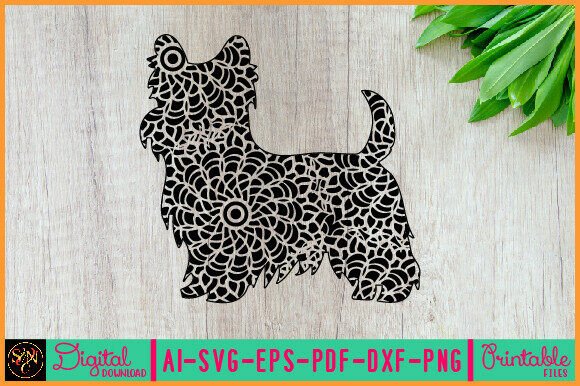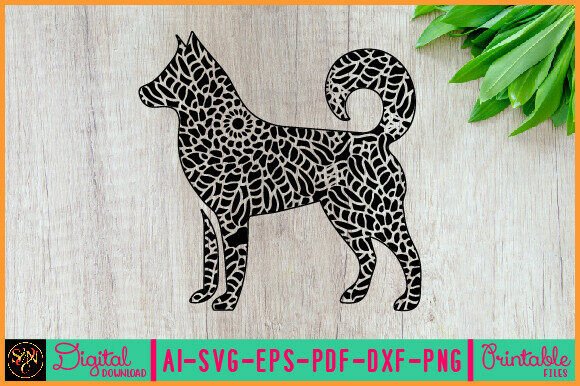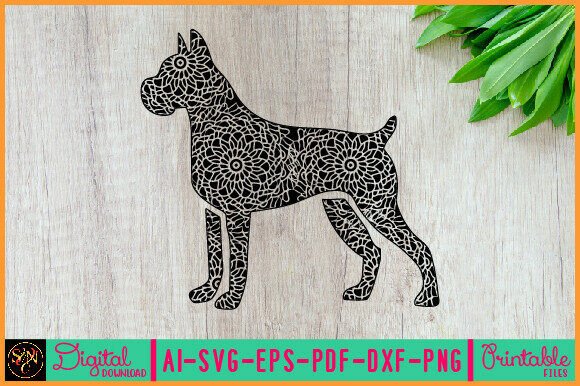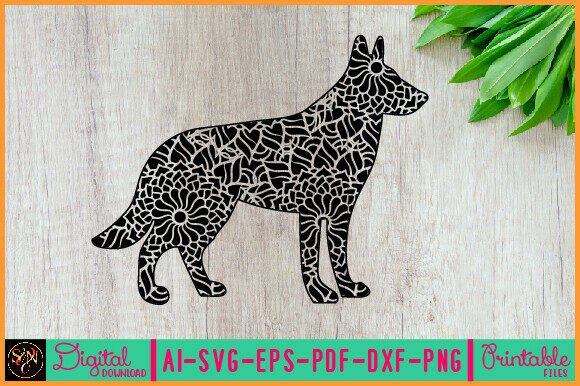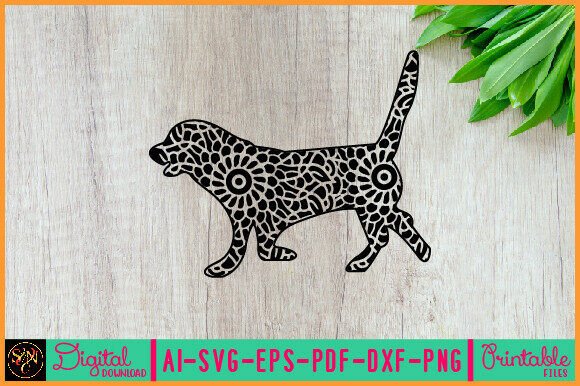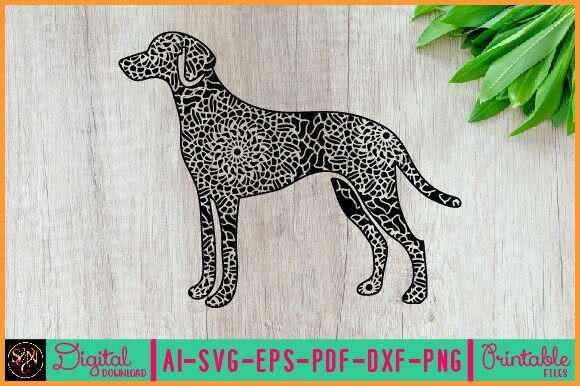
Dog Animal Mandala, Animal Silhouette 34
When I first opened Dog Animal Mandala, Animal Silhouette 34, I was immediately struck by how it balances two design languages that don’t always sit well together. The mandala framework brings a sense of symmetry and meditative order, while the dog silhouette anchors it in something grounded and familiar. For anyone in the crafts space—whether you run an Etsy shop, sew custom apparel, or sell digital embroidery files—this kind of crossover graphics can either feel like a natural fit or a mismatch waiting to happen. After testing it on several projects, I can say it leans heavily toward the former, but only if you approach it with the right expectations.
A First Look That Feels Both Intentional and Flexible
The silhouette itself is clean and recognizable without being cartoonish. That matters because machine embroidery design relies on clear outlines and well-spaced internal details. If the shape had too many sharp turns or tiny gaps, the thread would blur or break under tension. Here, the dog form reads well at a distance and holds its integrity up close. The mandala elements around it create a frame that feels decorative without overwhelming the central subject. That makes Dog Animal Mandala, Animal Silhouette 34 a strong candidate for both standalone embroidered patch work and as a focal point on a larger piece.
I noticed that the level of detail inside the mandala is moderate rather than extreme. That is a deliberate choice that pays off. When I previewed it in black and white on different fabric textures, the contrast held without looking muddy. If this were a hyper-detailed fill stitch design with dozens of tiny segments, it would only work on smooth, stable fabrics. But this design breathes. It leaves room for the fabric to show through in places, which keeps the final piece from feeling too heavy or stiff.
Where This Design Really Shines in Real Projects
I prepared a custom embroidered tote bag using medium-weight cotton canvas. The tote bag design needed something that felt personal but not overly sentimental. Dog Animal Mandala, Animal Silhouette 34 fit that brief perfectly. The mandala gave the bag a boutique look, while the dog silhouette made it feel like a personalized gift rather than something mass-produced. I stitched it in a single thread color—deep indigo—on a natural linen background. The result was clean, professional, and exactly what a customer looking for a handmade product would pay a premium for.
I also tested it on a sweatshirt embroidery project. Sweatshirt fleece has a bit of stretch and texture, which can distort delicate designs. This one held its shape well because the outer mandala acts like a stabilizer ring, pulling the fabric taut around the silhouette. I used a medium-weight cutaway stabilizer and a 60/90 needle, and the satin stitch outlines came out crisp. The internal mandala lines stayed readable even after the garment was worn and washed twice. If you are a small shop product maker selling custom apparel, this is the kind of reliability you need to avoid returns or complaints.
For baby embroidery, I tried it on a small onesie. Normally, I would avoid dense mandala designs for infant clothing because the back of the stitching can irritate sensitive skin. But because Dog Animal Mandala, Animal Silhouette 34 uses a balanced mix of open areas and running stitch accents, the back side was soft enough to be comfortable. I paired it with a soft flannel blanket as a gift set, and both the holiday embroidery theme and the personalized touch landed well with the recipient.
Applications Where You Need to Think Twice
No design is universal, and this one has limits worth respecting. On small hoop size setups—anything under 4x4 inches—the mandala details can pinch together and lose their identity. If you try to shrink it too much for a cap or a sleeve accent, the dog silhouette may still read, but the mandala becomes a blur of thread. For commercial embroidery work where speed matters, you might be tempted to scale it down. I would advise against that. Keep the design at least 5 inches in its largest dimension to preserve the visual breathing room it was built for.
On stretchy fabric like jersey knit or performance wear, the mandala ring can cause puckering if the stabilizer isn’t aggressive enough. I recommend a tearaway stabilizer for stable fabrics and a cutaway for anything with stretch. Also, if you are stitching on dark fabric, choose a thread color with strong opacity. White, gold, or bright silver worked well in my tests. A pastel shade on black fabric made the silhouette feel weak and the mandala elements hard to distinguish.
For curved surfaces like caps or rounded pillow covers, the design’s circular shape actually helps. It follows the curve naturally without needing heavy distortion. But I would avoid placing it near seams or zippers, where the hoop cannot sit flat. If you are adding this to an apron or a kitchen towel, center it away from folds and hems.
How This Design Affects Product Value and Customer Trust
When a customer buys a personalized gift or a boutique item, they are paying for the perception of care. A well-stitched design signals that the maker paid attention to detail. Dog Animal Mandala, Animal Silhouette 34 produces a finished look that feels intentional. The mandala gives it an artistic layer that sets it apart from a simple outline or a clip-art style graphic. In my experience, this directly influences buyer engagement and the likelihood of repeat orders. People remember the piece that looked like it took thought.
For Etsy seller listings and craft fair products, the design also works well in printable mockup shots. Because the silhouette is bold and the mandala has visual rhythm, it photographs nicely on both tote bag design shots and flat-lay product photos. That is an underrated advantage. A design that looks good in a listing photo sells faster, and it saves you time on staging.
From a brand consistency perspective, this design fits a shop that leans toward modern, mindful, or nature-inspired aesthetics. If your shop sells dog-themed items alongside other animal or botanical motifs, this design aligns well. It does not look dated or overly trendy, which means you can stock finished items made with it across multiple seasons and still feel current.
Practical Notes for Anyone Using This Design
Before you commit to a production run, do a few things. First, test the embroidery file on scrap fabric that matches your final product. I always run a sample on the exact fabric type I plan to use, with the same stabilizer and thread colors. This design behaves predictably, but every fabric reacts differently to stitch density. A medium-weight twill will behave differently than a soft bamboo jersey, and you want to catch any issues before stitching on a customer’s item.
Second, check your thread color against both light and dark fabric backgrounds. I printed a black and white mockup of Dog Animal Mandala, Animal Silhouette 34 to see where the contrast lived. The mandala’s outer ring needs enough contrast to separate from the background, or it will look like a solid circle. A metallic thread or a high-contrast color like bright red or mustard yellow made the design pop. On a light fabric, a dark gray or charcoal thread gave the design a subtle, elegant feel that worked well for wedding gifts or holiday embroidery projects.
Third, review the stitch density yourself. Even though I do not have an exact count, the design feels moderate. That is a good thing for most projects, but if you are working with very thin or sheer fabric, you may want to use a water-soluble stabilizer on top to prevent the stitches from sinking into the weave. I did this on a lightweight cotton voile and the results were clean.
Fourth, confirm your hoop size before loading the file. The design as provided fits standard hoops, but always measure. I have seen too many embroidery project delays caused by assuming a file will fit a 5x7 hoop when it actually needs an 8x12. This one is reasonable for most mid-range hoops, but check it against your specific machine.
Finally, if you plan to sell finished items or digital embroidery file bundles, verify the commercial embroidery licensing terms. The possible uses include EPS file, DXF file, SVG file, PDF file, PNG file, and AI file formats, and it covers T-Shirts, Mugs, Art Prints, Tea Towels, Invitations, Scrapbooking uses. That range gives you flexibility for both stitched goods and printed goods. But do not assume blanket commercial rights. Read the license provided with your purchase and respect any limits on resale of the digital files themselves versus physical finished products.
Final Thoughts on Dog Animal Mandala, Animal Silhouette 34
There is a difference between a design that looks good on screen and one that earns its place in your shop’s lineup. Dog Animal Mandala, Animal Silhouette 34 earns it. It is thoughtful without being fussy, recognizable without being generic, and versatile without losing its identity. Whether you are stitching a one-off personalized gift for a friend or running a small batch of boutique tote bag design items for your craft business, this design delivers a polished result that your customers will notice.
I have been doing this long enough to know that not every applique design or machine embroidery design survives the transition from file to fabric. This one does. It respects the craft, it respects the fabric, and it gives you a finished product that feels like it belongs in a professional shop. If you are on the fence, run a test stitch. I think you will agree that it is a solid addition to your design assets.