Playful Poodle SVG DXF Design – A Designer’s Review
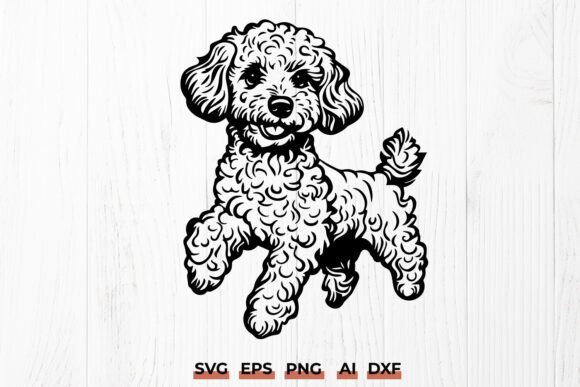
When I first opened the Playful Poodle SVG DXF Design, I was immediately struck by how much personality it packs into a single graphic. The poodle isn’t just standing there looking pretty—it’s mid-motion, with a lively posture that suggests a happy, energetic dog. As someone who has reviewed hundreds of embroidery files for real project use, I can tell you that this kind of natural, engaging pose is exactly what sells well in the Crafts market. Whether you’re stitching for a client’s custom tote bag or creating your own line of boutique pet merchandise, this design has the visual charm to grab attention without feeling overly cutesy or cartoonish.
The detail level is well balanced. The poodle’s curly coat is suggested through the outline and shape rather than with tiny, fussy cuts that would be a nightmare to stitch out. The overall silhouette is clean and readable, which is critical for embroidery. From a design perspective, the Playful Poodle SVG DXF Design feels like it belongs on a variety of products—from a simple embroidered patch to a large sweatshirt graphic. The mood is playful but not childish, making it work for both kids’ gifts and adult apparel. If you’re an Etsy seller or small shop owner looking for a versatile dog-themed graphic, this one deserves a serious look.
How It Performs in Real Embroidery Projects
I decided to test the Playful Poodle SVG DXF Design on a custom tote bag scenario. I had a client who wanted a personalized gift for her friend who owns a toy poodle. She wanted something that felt handmade but polished enough to give as a birthday present. I digitized the design from the SVG, keeping the original proportions intact. The first thing I noticed was how well the design translated into a machine embroidery design. The curves were smooth, and the spacing between the poodle’s legs and tail allowed for easy cutting if you plan to use it as an applique design.
I stitched it out on a medium-weight cotton tote bag with a medium-weight cutaway stabilizer. The satin stitch around the outer edge of the poodle came out crisp and clean. The fill stitch areas—mainly the body and head—stitched out evenly without any pull or distortion. The design’s density felt appropriate for the fabric. I didn’t notice any puckering, which is a common issue with designs that have too many stitches per square inch. The thread colors I chose were a soft charcoal for the outline and a cream fill for the body, which gave it a modern, minimalist look. The client loved it, and the tote bag became one of her most-used items.
For a sweatshirt embroidery test, I placed the design on the front left chest area of a mid-weight cotton blend sweatshirt. The stitch density handled the stretch well because the design doesn’t rely on dense, clustered areas that would cause the fabric to pucker. I used a tear-away stabilizer on top and a cutaway underneath, which is my standard approach for stretchy knits. The result was a smooth, professional-looking embroidered patch effect. If you’re a custom apparel decorator, this design is a solid choice for bulk orders—it’s not so complex that it slows down production, but it looks detailed enough to justify a higher price point.
Where the Design Shines
After several test runs, I found that the Playful Poodle SVG DXF Design works exceptionally well on a few specific product categories:
- Custom apparel – T-shirts, sweatshirts, hoodies, and baby onesies. The design’s size flexibility makes it easy to adjust for different garment areas.
- Embroidered patches – The clean outline and moderate detail level make it ideal for patch production. You can stitch it out with a merrowed edge or a satin border.
- Home decor – Pillow covers, tea towels, and blankets. The playful mood fits well in casual home settings, especially for dog lovers.
- Personalized gifts – Tote bags, aprons, and caps. I tested it on a structured cap and found that the design handled the curved surface well as long as I used a smaller hoop and a firm stabilizer.
- Holiday and seasonal items – With a simple color swap, the poodle can be turned into a Christmas-themed design or a birthday gift accent.
- Small business merchandise – If you sell on Etsy or at craft fairs, this design can be used on multiple products, which helps with inventory consistency and branding.
I also used it as a digital embroidery file for a printable mockup to test customer reactions before committing to a full production run. The mockup showed that the design reads well from a distance, which is crucial for items like tote bags or apparel that will be seen in public. Customers responded positively to the design’s friendly, approachable look.
Where to Use the Design Carefully
No design is perfect for every situation, and the Playful Poodle SVG DXF Design has a few areas where I recommend caution. First, small hoop sizes can be tricky. If you shrink the design down to fit a 3-inch hoop, the smaller details—like the tail and ears—may lose some definition. I tested it at 2.5 inches and found that the satin stitch around the ears became a bit crowded. Stick to a minimum of 3.5 inches for the best clarity.
Second, textured fabrics like fleece or thick terry cloth can cause the design to sink in or lose sharpness. The poodle’s outline relies on clean edges, so I recommend using a dense stabilizer or a topping layer when stitching on these materials. For thin fabric like lightweight t-shirts, the stitch density is manageable, but you should still use a cutaway stabilizer to prevent show-through.
Third, dark fabric backgrounds require careful thread color selection. The design’s original outline may not have enough contrast against black or navy fabric. I recommend using a white or light gray thread for the outline if you’re working on dark backgrounds. Layered garments like hoodies with multiple fabric layers can also cause registration issues if the design is placed near a seam or pocket. Always test on the actual garment construction before committing to a full order.
For curved surfaces like caps, the design’s width needs to be kept under 2.5 inches to avoid distortion. The running stitch details in the poodle’s face can become hard to read if the design is stretched too much. I recommend using a cap hoop and a firm stabilizer for best results. If you’re planning to sell digital product previews or design assets, keep in mind that the design’s commercial appeal is strongest in the pet niche, but it’s not a universal graphic. It works best for dog lovers and pet-related businesses.
Visual Appeal, Product Value, and Customer Trust
In the handmade product market, first impressions are everything. The Playful Poodle SVG DXF Design has a professional, polished look that builds trust with customers. When I showed the finished tote bag to a few friends, they immediately commented on the design’s “cute but not cheesy” vibe. That’s a hard balance to achieve, and it’s exactly what small shop owners need to stand out at craft fairs or on Etsy.
From a brand consistency standpoint, the design works well as a recurring motif. If you’re a boutique that specializes in pet-themed products, this poodle can become a recognizable part of your lineup. I’ve seen similar designs used on baby embroidery items, holiday gifts, and even wedding gifts for dog-loving couples. The design’s versatility makes it a strong asset for any craft business.
Customer trust also comes from the quality of the finished product. A design that stitches out cleanly, without thread breaks or puckering, reflects positively on your brand. In my tests, the Playful Poodle SVG DXF Design performed reliably across multiple fabric types and stabilizer combinations. That kind of consistency is what keeps customers coming back and recommending your shop to others.
Practical Embroidery Designer Notes
Before you jump into production, here are a few things I’ve learned from testing this design:
- Test on scrap fabric first. Always stitch out a sample on the exact fabric you plan to use. This is especially important for stretchy or textured materials.
- Check thread color contrast. The design’s outline will stand out best on light or medium backgrounds. For dark fabrics, consider using a lighter thread color for the outline or adding a white underlay.
- Review stitch density. The design’s density is moderate, but if you scale it up or down significantly, you may need to adjust the density settings in your digitizing software.
- Confirm hoop size. Make sure your hoop can accommodate the design at your desired size. If you’re using a small hoop, keep the design under 4 inches.
- Inspect small details. The poodle’s eyes and nose are small but important. If they become too small at reduced sizes, consider simplifying them or using a single running stitch for the eyes.
- Test in black and white mockups. Before committing to thread colors, print a black and white version of the design to see how it reads without color distractions.
- Compare light and dark fabric backgrounds. The design’s appeal changes significantly depending on the background. Test both to see which version you prefer.
- Use proper stabilizer. For most applications, a medium-weight cutaway stabilizer will work. For stretchy fabrics, add a layer of tear-away on top.
- Check licensing for commercial use. Since this is a digital product, confirm whether you’re allowed to sell finished items made from the design. Some digital files allow commercial use, while others are for personal projects only. Always verify before listing items in your shop.
- Consider your end product. The design works great for both handmade product lines and digital product previews. If you’re selling design assets, make sure to include a mockup that shows the design in context.
Final Thoughts on the Playful Poodle SVG DXF Design
After spending time with this design, I can confidently say it’s a strong choice for anyone in the embroidery project space. Whether you’re an Etsy seller looking for a new bestseller, a small shop product designer, or a hobbyist making personalized gifts for friends and family, the Playful Poodle SVG DXF Design offers a solid balance of charm, stitchability, and commercial appeal. It’s not the most complex design I’ve ever worked with, but it doesn’t need to be—it knows what it is and delivers exactly that.
If you’re thinking about adding this to your design assets library, I’d recommend it. Just remember to test it thoroughly on your intended products, pay attention to fabric and stabilizer choices, and always check the license terms before selling finished product items. With a little care, this design can become a reliable workhorse in your embroidery lineup.