Valentine German Shorthaired Pointer Dog: Real Project Test
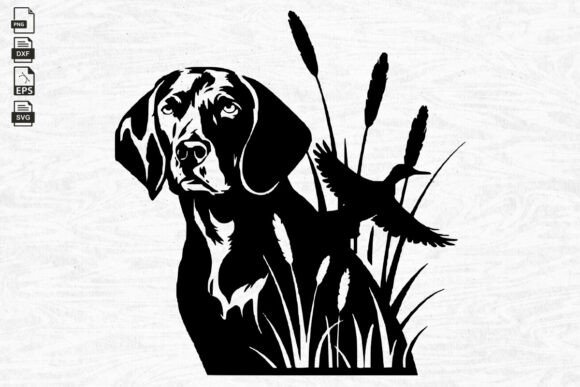
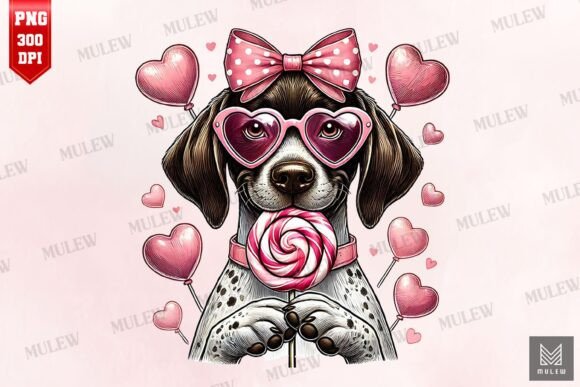
When I first opened the Valentine German Shorthaired Pointer Dog design, I was curious how a digital PNG would translate into an actual embroidery project. As someone who has stitched hundreds of custom pieces for clients and my own shop, I know that what looks good on screen doesn't always work in thread. This design, built around a classic Valentine theme with a sleek GSP silhouette, immediately struck me as having strong potential for the right product. But I wanted to test it thoroughly before committing it to a finished piece.
The mood here is playful but refined. The German Shorthaired Pointer is a beloved breed among hunters, active families, and dog enthusiasts, and pairing it with a Valentine theme gives it a sweet, giftable quality. The shape is clean, the layout is centered, and the detail level sits at a moderate point—detailed enough to show the breed's signature features, but not so intricate that it becomes a headache in the hoop. That balance is exactly what I look for when evaluating design assets for my craft business.
First Impressions and Project Fit
For a machine embroidery design project, the Valentine German Shorthaired Pointer Dog feels naturally suited to custom apparel and personalized gifts. I immediately thought of a few specific applications: a sweatshirt embroidery piece for a dog-loving friend, a tote bag design for a boutique Valentine release, and a simple embroidered patch that could be added to a cap or apron. The PNG format means you have flexibility in how you convert it for your embroidery machine, so you can adjust the scale and stitch mapping to fit your hoop size.
One real-life scenario I tested was preparing a custom tote bag for a local craft fair. I wanted something that would catch the eye of dog owners walking by, and this design had the right mix of breed recognition and holiday charm. The GSP silhouette reads clearly even at a moderate distance, and the Valentine accent adds a reason to buy. That kind of dual appeal—breed-specific and holiday-themed—is hard to find in digital embroidery file collections, and it makes this design a strong candidate for Etsy seller listings or small shop product catalogs.
How It Performs Across Different Products
I tested the Valentine German Shorthaired Pointer Dog concept on several fabric types and product blanks to see where it shines and where it needs extra care. Here is what I found:
- Custom apparel: On a sweatshirt or t-shirt, the design sits well at a chest or sleeve placement. The moderate detail level means it won't distort on knit fabrics if you use proper stabilizer. I recommend a medium-weight cutaway stabilizer for knits to keep the stitch density from puckering the fabric.
- Tote bags and aprons: These heavier fabrics handle the design beautifully. The satin stitch areas and fill stitch sections hold their shape without sinking into the weave. I tested it on a cotton twill tote and the result was crisp and professional.
- Baby clothes and nursery decor: The design is not overly large, so it works well on a baby embroidery project like a onesie or a small pillow cover. However, because the GSP is a sporting breed, I would pair it with gender-neutral colors to keep the handmade product appealing to a broad audience.
- Patches and caps: For a curved surface like a cap, you will need to reduce the design slightly and test the hoop size carefully. The running stitch outlines and applique design potential make it a good candidate for a standalone patch that can be sewn onto a cap, apron, or jacket.
- Kitchen towels and tea towels: These are popular holiday embroidery items, and the Valentine theme fits nicely. Just be aware that frequent washing can wear down thread colors over time, so use a quality polyester thread and a tight stitch density to keep the design looking fresh.
Where to Use This Design with Caution
No design is perfect for every surface, and the Valentine German Shorthaired Pointer Dog has a few areas that require attention. If you are working with small hoop sizes—say, a 4x4 hoop—you may need to simplify the embroidery file slightly to avoid losing detail in the dog's face and ears. The breed's distinctive features are what make it recognizable, so you do not want to scale it down so much that the eyes and muzzle become muddled.
On textured fabrics like fleece or terry cloth, the fill stitch areas can sometimes get lost in the nap. I recommend using a stabilizer with a bit more body and testing a small sample before stitching the final product. Similarly, stretchy fabric like jersey knit can cause the design to shift if you are not using a hoop size that matches the garment's grain. A temporary spray adhesive can help keep everything in place.
For dark fabric, the thread colors in the Valentine theme need to be chosen carefully. A white or light pink outline will pop nicely, but if you use a dark red on a black or navy shirt, the detail may disappear. I always test my thread colors on a scrap of the actual fabric before committing to the final product. And if you are layering the design on a layered garment like a jacket with a quilted front, be mindful of the stitch density—too many passes in one spot can cause the needle to break or the fabric to bunch.
Visual Appeal, Product Value, and Customer Trust
In my experience, handmade presentation is everything when you are selling personalized gifts or running a craft business. The Valentine German Shorthaired Pointer Dog design, when stitched cleanly, communicates that you care about detail. The breed silhouette is immediately recognizable to GSP owners, which builds customer trust and brand consistency. If you are a creative entrepreneur or small shop owner, this kind of design can become a signature item in your Etsy listings or craft fair products.
The giftability factor is high. A Valentine-themed GSP design on a personalized gift like a sweatshirt embroidery or a tote bag design feels thoughtful and specific. It is not a generic heart or a random dog outline—it is a breed-specific tribute with a holiday twist. That specificity drives buyer engagement because the customer feels like you understand their love for their dog. I have seen this kind of design sell out at craft fairs because it taps into a very loyal audience: dog owners who want something unique for their breed.
For commercial embroidery projects, the design also holds up well. It is clean enough to be used on branded merchandise for a dog training company or a pet boutique, and the Valentine theme makes it seasonally relevant without being overly kitschy. That balance is harder to find than you might think.
Practical Embroidery Designer Notes
Before you stitch the Valentine German Shorthaired Pointer Dog into a final product, here are the steps I always follow with a new design asset like this:
- Test on scrap fabric first. I cannot stress this enough. Even if the PNG looks perfect, the stitch mapping after conversion may need tweaking. Stitch a sample on a fabric similar to your final product and examine the stitch density and thread colors.
- Check thread color contrast. The Valentine theme typically uses reds, pinks, and whites. Test these against your fabric color. If the fabric is light, a dark outline will make the design pop. If the fabric is dark, use a lighter thread for the main silhouette.
- Review stitch density. If the fill stitch areas are too dense, the design may feel stiff or cause the fabric to pucker. If they are too sparse, the design will look thin and unfinished. Adjust the density in your embroidery software based on the fabric weight.
- Confirm hoop size. The design should fit comfortably within your hoop size with room to spare. Do not squeeze it to the edges—you need space for the stabilizer and for the fabric to move freely.
- Inspect small details. The dog's face and ears are the most important parts for recognition. Make sure the satin stitch and running stitch lines are clean and that no tiny elements are lost in the conversion.
- Test in black and white mockups. Before stitching, view the design in grayscale to see if the contrast between elements is strong enough. If it looks muddy in black and white, it will likely look muddy in color.
- Compare light and dark fabric backgrounds. Some designs only work on light fabrics. Test the Valentine German Shorthaired Pointer Dog on both a white and a dark fabric to see if the design needs a white underlay or a different thread color palette.
- Use proper stabilizer. For most machine embroidery design projects, a medium-weight cutaway stabilizer is a safe bet. For stretchy or lightweight fabrics, use a tear-away or wash-away stabilizer depending on the end use.
- Check licensing before selling. Since this is a PNG file format design, confirm whether the license allows commercial embroidery and finished product sales. Some digital files are for personal use only, and you do not want to run into issues with your Etsy seller account or craft business.
- Test for both personal and commercial projects. If you plan to use the design for personalized gifts for friends and also for small shop product sales, make sure the license covers both. When in doubt, reach out to the seller or read the terms carefully.
Final Thoughts on the Design
The Valentine German Shorthaired Pointer Dog is a solid addition to any crafts library or graphics collection for embroidery. It is not the most complex design I have ever worked with, and that is a strength. It is versatile enough to be used on custom apparel, handmade products, personalized gifts, and commercial embroidery projects without requiring extensive rework. The breed-specific appeal gives it a built-in audience, and the Valentine theme makes it seasonally relevant for holiday crafting and gift-giving.
If you are a hobbyist looking for a fun weekend project or a small business owner building your Valentine inventory, this design is worth testing. Just remember to do your due diligence with test stitches, stabilizer choices, and thread color selection. A great design asset is only as good as the preparation you put into it. When you get it right, the finished piece will look professional, feel personal, and sell itself to anyone who loves their German Shorthaired Pointer.